Japan, South Korea, Russia, India, the United Arab Emirates and the United States aim to send missions to the…

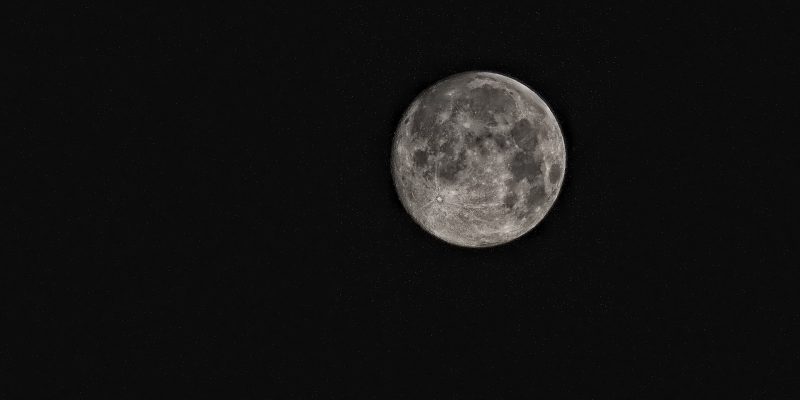
Japan, South Korea, Russia, India, the United Arab Emirates and the United States aim to send missions to the…
In “Making Claims,” Paulick Report bloodstock editor Joe Nevills shares his opinions on the Thoroughbred industry from the breeding…
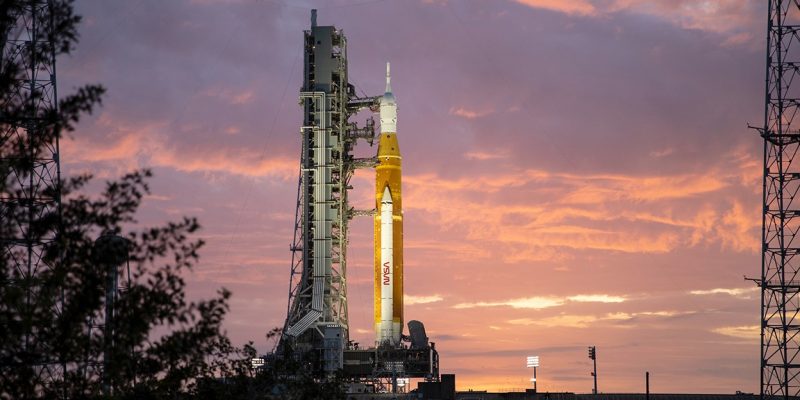
The world’s most powerful rocket will make a trip around the Moon in 2022 — a step towards landing…
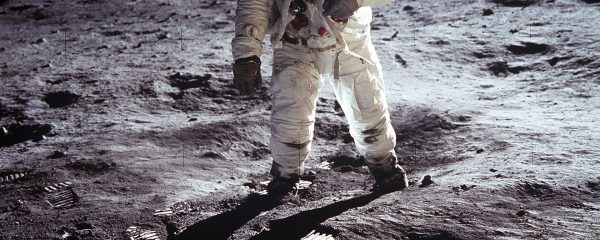
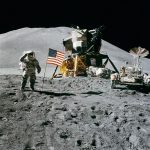
n July 20, 1969, American astronauts Neil Armstrong (1930-2012) and Edwin “Buzz” Aldrin (1930-) became the first humans ever…
During the time that has passed since the launching of the first artificial satellite in 1957, astronauts have traveled…
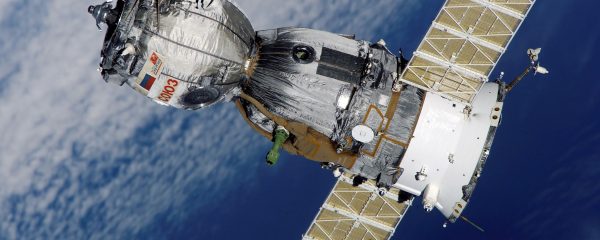
But the floating freedom offered by a lack of gravity also presents a number of limits when it comes…
Nearly half of Americans want to travel to space. But that means the other half doesn’t, according to a…
Forget about spaceships: Aliens could be “cosmic hitchhikers” traveling on free-floating planets While a warp drive almost certainly isn’t…
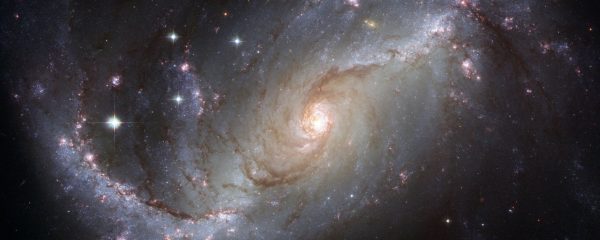
In addition to being afforded some epic views, guests of the modular space station would dine and walk around—thanks…
Blue Origin will fly six people into suborbital space this week on the company’s fifth crewed mission. The flight,…
Armadillo Aerospace, Boeing, EADS Astrium, Excalibur Almaz, global Space Tourism market by Application, Space Adventures, Space Island Group, Space…
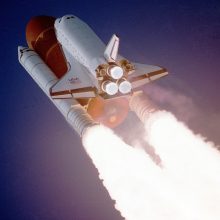
USC Viterbi adjunct professor and rocket scientist, Michael Kezirian, makes a case for why advancing space safety measures advances space exploration. Michael Kezirian, adjunct professor of astronautics practice at the USC Viterbi School of Engineering, was just a toddler when astronauts Neil Armstrong and Buzz Aldrin walked on the moon in July 1969. Kezirian’s earliest NASA memories are of the Space Shuttle program: the announcement of the first Shuttle astronaut class, the first Shuttle launches and landings,…
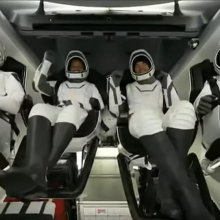
Who makes sure space tourists get back safe? Space tourism industry representatives argue that stringent safety oversight would hamper the companies’ ability to innovate. Space tourism vehicles just might be the only transportation technology out there with the potential to kill humans that doesn’t need to undergo independent safety certification. For now, aspiring space travelers seem okay with that, but is the fledgling industry playing a dangerous game? The four private astronauts of SpaceX’s Inspiration4 mission —…
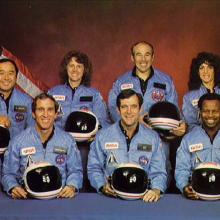
In the 36 years since the space shuttle Challenger exploded over the Florida skies, the National Aeronautics and Space Administration (NASA) has made a number of advancements in ensuring that space travel is as safe as possible. Seventy-three seconds into its January 28, 1986, flight out of Cape Canaveral, the Challenger violently broke apart, resulting in the deaths of all seven astronauts aboard. It was the first fatal accident involving an in-flight American spacecraft. An investigation discovered…